
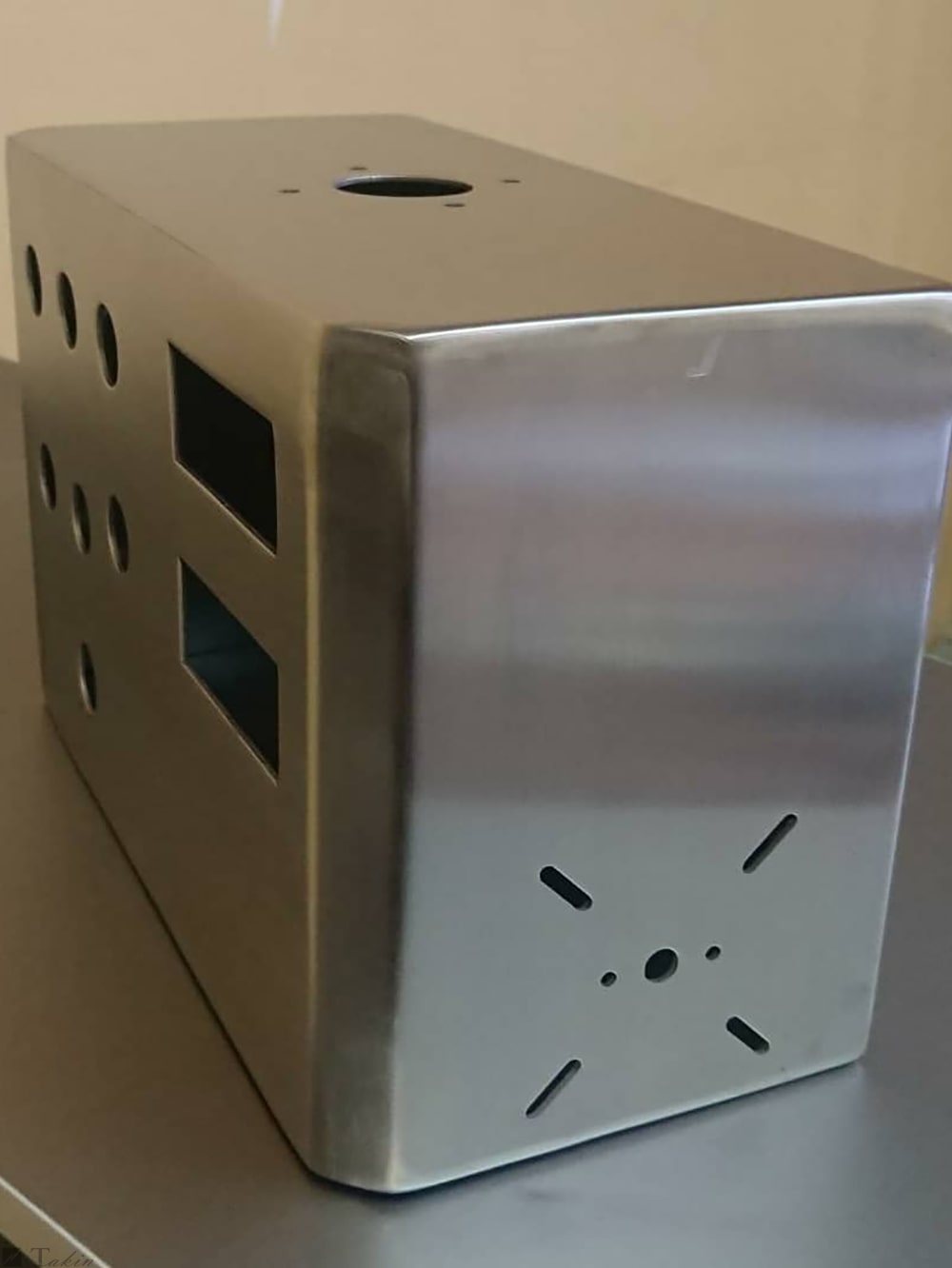
What is a junction box or distribution box?
Junction box or distribution box (in English: Junction Box) is a type of box or enclosure that is usually produced from resistant materials such as metal or plastic and is used in electrical systems.
The main task of a junction box is to create a point where electrical cables or wires are distributed from various sources to consumers or electrical devices and the required electrical connections are made. In other words, the junction box helps to divide and connect electrical wires in an electrical system.Junction boxes usually have a cover or lid that is used to protect internal connections and electrical equipment from various factors such as dust, moisture, and impacts. Also, they can be used as central connection points in electrical systems to provide easier maintenance.For example, in a home electrical system, junction boxes may be installed at various locations, such as inside walls or ceilings, to split cables and provide electrical connections.
Efficiency of junction box distribution box
The efficiency of a distribution box or junction box is very important in an electrical system, and it refers to the importance of its correct selection and installation for the correct operation and safety of the electrical system. Below, I mention some of the main functions of a junction box.
1. Secure connection: The distribution box must provide electrical connections in a safe and secure manner to prevent outages and improper connections. These connections must comply with local and national standards and regulations.
2. Environmental protection: The distribution box must protect its internal environment from harmful factors such as dust, moisture, mechanical shock and temperature changes. Some boxes have lids and indicator lights to show internal status.
3. Ease of access: The distribution box should be easily opened and closed so that the internal cables and connections are easily accessible for installation, maintenance and maintenance.
4. Fire resistance: Some partition boxes are made with fire resistant materials to provide more safety in case of fire.
5. Appropriate selection: It is very important to choose the appropriate distribution box based on the type and size of cables and electrical equipment in the system. The box should be large enough to accommodate cables and connectors and protect against thermal expansion.
6. Compliance with standards: The distribution box must comply with the standards related to the electrical system used (such as NEC in the United States).
In general, the efficiency of the distribution box is a very important element in the safety and proper operation of electrical systems, and to ensure that you select and install the correct distribution box, it is best to consult with experienced electrical engineers and to follow local and national regulations. comply
Choosing the right junction box
Choosing the right electrical distribution box for a project is very important and requires care. To make the right choice, pay attention to the following points
1. Type of use: Determine whether the distribution box is for indoor or outdoor use. If it is placed in an environment with moisture or water, you need a waterproof distribution box.
2. Number of terminals: Determine how many electrical terminals you need to connect the cables to the distribution box. Junction boxes are usually available with 4 to 8 terminals. The number of terminals should match your needs.
3. Size of the box: The size of the power distribution box should be large enough to fit the cables and connectors easily. If the box is too small, it will be difficult to work in it.
4. Resistance to environmental factors: If the box is placed in the external environment or exposed to environmental factors such as temperature changes, water, dust and UV rays, you should use a partition box with resistance to these factors.
5. Type of construction material: Distribution boxes are usually made of plastic or metal. Metals are usually more resistant to fire but may be more difficult to oxidize due to their greater weight and exposure to open air.
6. Local standards and regulations: Make sure the distribution box complies with local standards and regulations (such as NEC in the United States).
7. Accessibility: Ensure easy opening and closing of electrical distribution box to access terminals and connections.
8. Cost: The cost of the partition box is also important. Consider the budget of your project and choose a partition box that meets your needs and fits within your budget.
9. Manufacturer and Quality: Use reliable suppliers and quality distribution boxes to ensure optimal performance and safety of the box.
Considering these things, you can choose the right electrical distribution box for your needs and benefit from the better and safer performance of your electrical system.
Divide box protection score
The protection score of the power distribution box is determined by various factors called “IP Code” or “Ingress Protection Code”. This code contains two numbers, each of which indicates the degree of protection of the box against the entry of solid objects and liquids into the box.
1. The first number (IPX): This number indicates the degree of protection of the box against the entry of solid objects such as dust. This number can range from 0 to 6, with each number indicating a higher level of protection. For example, IP0 means no protection against dust and IP6 means full protection against dust.
2. The second number (IPX): This number indicates the degree of protection of the box against the entry of liquids such as water. This number can range from 0 to 9, with each number indicating a higher level of protection. For example, IP0 means no protection against water and IP9 means complete resistance to water under certain conditions.
For example, if the power distribution box has IP65 protection, this means that the box has full protection against dust (first number 6) and water resistance (second number 5).
When choosing an electrical distribution box, you can pay attention to the IP code to make sure that the selected distribution box is suitable for your intended environment and provides the right amount of protection against environmental factors.
Electrical distribution boxes are usually manufactured from several different materials, but the two main materials used in their construction are:
Differences between PVC and ABS electric distribution box:
PVC and ABS are two different types of plastic used to produce electrical distribution boxes. These two materials have different characteristics and advantages and disadvantages. Below I outline the important differences between PVC and ABS electrical distribution boxes:
1. Material:
• PVC (polyvinyl chloride): PVC is a plastic resistant to liquids and chemicals. These boxes are usually harder and more impact resistant.
• ABS (Acrylonitrile Butadiene Styrene): ABS is also a durable plastic, but may be less resistant to liquids and chemicals than PVC.
2. Impact Resistance:
• PVC: PVC usually has a higher impact resistance and is more resistant to breaking and cracking from compression shocks.
• ABS: ABS is also impact resistant but may be less resistant than PVC.
3. Chemical resistance:
• PVC: PVC is usually resistant to chemicals such as acids and bases.
• ABS: ABS is also generally resistant to many chemicals, but may be sensitive to some chemicals.
4. Price (Cost):
• PVC: PVC distribution boxes are usually cheaper in terms of price.
• ABS: ABS junction boxes may generally be more expensive.
5. Processing:
• PVC: PVC is generally easy to process and can be produced in many different shapes and sizes.
• ABS: ABS is also processable and can be made into a variety of shapes, but may be a little harder than PVC.
6. Suitable for the environment:
• PVC: PVC distribution boxes are mostly used in indoor environments.
• ABS: ABS may be used in indoor and outdoor environments, but special environmental conditions must be considered.
Considering these differences, the choice between PVC and ABS should be made based on the needs and environmental conditions of the project. Each of these materials may be suitable for certain applications, so research and consultation with the supplier can help make the right choice.
Fiberglass junction box:
The junction box is made of fiberglass or FRP (Fiber-Reinforced Plastic) electrical distribution box with materials reinforced with fiberglass fibers. This type of power distribution box has special features that make it suitable for certain cases:
1. Resistance to water and environmental conditions: FRP partition boxes are resistant to water and moisture. This feature makes them suitable for outdoor and humid environments. They usually have tight lids that prevent water and dust from entering the box.
2. Resistance to chemicals: FRP materials are usually resistant to chemicals. This feature allows them to withstand exposure to hazardous chemicals such as acids and bases.
3. Impact resistance: FRP has good impact and fracture resistance due to the presence of glass fibers.
4. Light weight: Compared to some other materials such as metal, FRP is lighter, which makes it suitable for applications where weight is important.
5. Electrical insulation: FRP materials are electrically insulating, which makes them a good choice for creating electrical tables and electrical connections in electrical systems.
6. UV resistance: Some FRP partition boxes have UV resistant coatings that prevent the harmful effects of direct sunlight.
FRP distribution boxes are commonly used in industrial environments, outdoor environments, and places that need to withstand certain environmental conditions. Choosing the right material for the electrical distribution box depends on the needs and environmental conditions of the project.
Final word:
Here at Takin Tablo Industrial Group, as a team of experts and experienced in the field of industrial automation, we are ready to help you choose the best quality power distribution boxes from the most reliable brands. Due to our experience in this field, we can carefully analyze your needs and problems and suggest the best options.
Our free consultation service will help you choose the right power distribution box according to your needs and budget. Also, by providing equipment from reliable and quality brands, we ensure that your projects are done with the best tools and equipment.
For more information and free advice, you can visit the store site of Takin Tablo Industrial Group and contact our team to read more details and take action to supply your electrical distribution box. We are at your service to make your projects a success.



Reviews
There are no reviews yet.